10 Best First Aid Kit Items You Need for Every Emergency?
When it comes to emergencies, having a well-stocked First Aid Kit is crucial. Dr. Emily Carter, an expert in emergency medicine, emphasizes, "A great First Aid Kit can save lives." This statement underlines the importance of preparedness in unpredictable situations.
Every household should have a First Aid Kit ready to go. It should contain key items that are effective in treating common injuries. For instance, band-aids, antiseptic wipes, and gauze are essential. These items help manage cuts and scrapes quickly. However, many kits overlook specific needs like allergy medication or burn cream. It's easy to assume everything is covered, but you might find gaps when an emergency arises.
In the chaos of an emergency, every second counts. A well-designed First Aid Kit can make a difference. yet, many people fail to check their kits regularly. Supplies expire, and needs can change. Reflecting on the contents of your kit often uncovers overlooked essentials. Ultimately, being prepared can bring peace of mind, but it requires effort and attention.
Essential Items for a Basic First Aid Kit
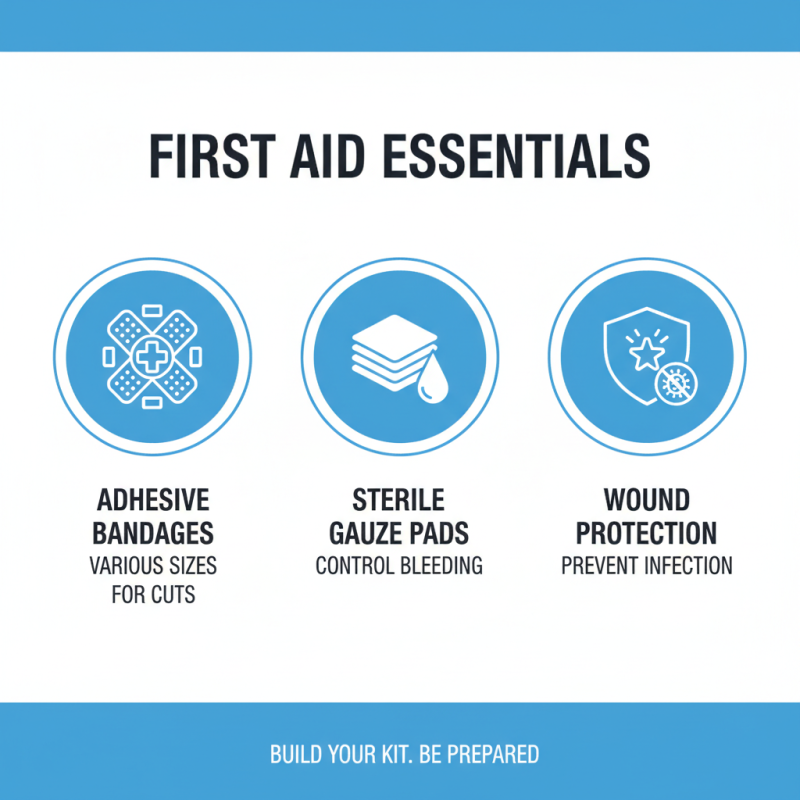
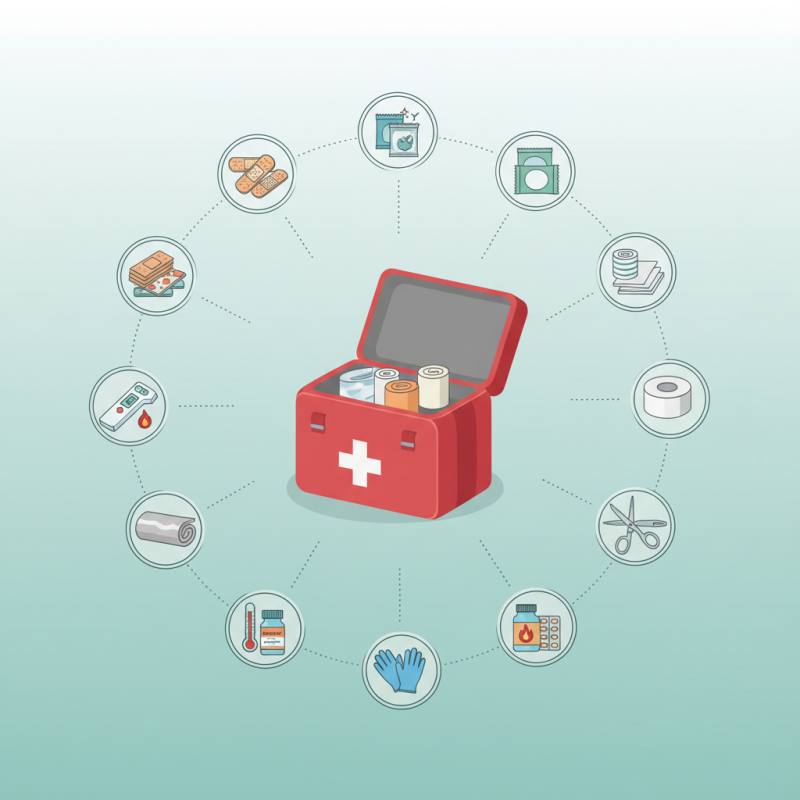
When preparing a basic first aid kit, several essential items come to mind. Start with adhesive bandages. They are crucial for small cuts and scrapes. Sterile gauze pads help cover larger wounds effectively. Don’t forget adhesive tape, which keeps gauze in place. Another vital item is antiseptic wipes. They help clean wounds and reduce infection.
It’s easy to overlook the importance of a good pair of scissors in your kit. They can cut through clothing or tape, making it easier to access injuries. Also, consider including tweezers. These are handy for removing splinters or ticks. A digital thermometer is another useful tool. It helps monitor fevers accurately.
Tips: Always check expiration dates on any medications in your kit. Review your kit every few months. Make it a habit to keep items organized. Use clear containers to see what you have. Regularly restock your supplies after use. Being prepared is key. It minimizes stress during emergencies.
10 Essential Items for a Basic First Aid Kit
This bar chart displays the quantity of essential items recommended for a basic first aid kit. Having these items readily available can help you effectively respond to various emergencies.
Bandages and Dressings: Types and Uses in Emergency Situations
In any emergency, having the right bandages and dressings can make a significant difference. According to the American Red Cross, nearly 3 million people require medical attention for injuries each year. Bandages come in various types, such as adhesive, gauze, and elastic. Each serves a unique purpose and should be selected based on the injury's nature.
Adhesive bandages are ideal for minor cuts and scrapes. They stick readily, providing protection against infection. Gauze pads are best for larger wounds. They absorb blood and can be used with tape to secure them. Elastic bandages, on the other hand, are crucial for sprains. They provide support and help reduce swelling. Knowing how to use each type correctly is essential.
Tip: Always keep a variety of bandages in your kit. This variety ensures you can handle different injuries effectively. Remember to check your first aid kit regularly. Expired dressings do not offer protection. Some injuries may not heal properly if the wrong bandage is used. Take time to learn the correct application techniques. It may save a life one day.
Medications: Key Over-the-Counter Remedies for First Aid
When preparing a first aid kit, having over-the-counter medications is essential. Common items like pain relievers and antihistamines can make a significant difference. According to the National Safety Council, nearly 30% of emergency room visits are due to minor ailments that could have been treated at home. Having the right medications can reduce reliance on emergency services.
Ibuprofen and acetaminophen are two key choices for pain relief. They can address headaches, muscle aches, and fevers effectively. The Centers for Disease Control and Prevention suggests that treating these symptoms quickly can prevent more severe issues. Antihistamines are crucial for allergic reactions. They can alleviate symptoms like itching, hives, and swelling, providing quick relief in an emergency.
However, it is vital to remember expiration dates. Medications lose potency over time. Regularly checking your kit ensures everything is effective. Many people overlook this detail, which can lead to inadequate treatment. Moreover, understanding each medicine's proper use is crucial. Ignorance can lead to misuse, further complicating emergency situations. Always educate yourself about the medications you include.
Special Considerations: Tailoring Your Kit for Specific Needs and Risks
When tailoring your first aid kit, consider specific needs and risks. The National Safety Council reports that 40% of injuries occur at home. Customize your kit for domestic accidents. Include items for cuts, burns, and sprains. A pair of tweezers and antiseptic wipes can handle many minor wounds.
Outdoor enthusiasts need different supplies. A first aid kit for hiking should include wilderness-specific items. According to the American Hiking Society, 50% of injuries on trails are sprains. Adding a splint can help stabilize a sprain until you reach help. Insect bite cream is also essential for prevention and relief.
Special populations like children or the elderly have unique requirements. Pediatric kits should contain smaller doses of medications. The CDC notes that 25% of elderly falls result in serious injuries. Including items like padded bandages may help provide comfort and support in such cases. Consider these factors to create a comprehensive kit that addresses your specific environment and lifestyle needs.
10 Best First Aid Kit Items You Need for Every Emergency
| Item |
Purpose |
Special Considerations |
| Adhesive Bandages |
Protect small cuts and abrasions |
Include a variety of sizes |
| Gauze Pads |
Control bleeding and protect wounds |
Choose sterile options for serious injuries |
| Antiseptic Wipes |
Clean wounds and prevent infection |
Look for alcohol-free versions for sensitive skin |
| Tweezers |
Remove splinters and ticks |
Ensure they are sturdy and easy to grip |
| Scissors |
Cut tape, gauze, or clothing |
Include safety scissors for easier use |
| Instant Cold Packs |
Reduce swelling and numb pain |
Consider reusable cold packs for sustainability |
| First Aid Manual |
Provide guidance on treating injuries |
Choose an up-to-date and comprehensive guide |
| Pain Relievers |
Manage pain and reduce fever |
Include kids' and adult options |
| Thermometer |
Monitor body temperature |
Digital thermometers are easier to read and use |
| Elastic Bandages |
Provide support for sprains and strains |
Choose adjustable sizes for versatility |