Choosing a Multifunctional Headband in 2026 requires more than matching colors with workout clothes. The product must perform under real conditions: bright sunlight, humid commutes, cold morning runs, and repeated washing. Grand View Research reports that the global sports apparel market continues to expand, supported by fitness participation, athleisure adoption, and demand for versatile clothing. This trend places greater pressure on small accessories to offer measurable value.
A reliable evaluation should examine fabric composition, moisture management, breathability, stretch recovery, seam placement, and cleaning instructions. The World Health Organization recommends regular physical activity for physical and mental health, while the American College of Sports Medicine emphasizes practical comfort and safety during exercise. These findings support a simple point: headwear should stay secure without causing pressure around the forehead or ears. A slipping band can become a distraction within minutes.
Function matters most.
Some 2026 models may combine sweat absorption, UV coverage, thermal insulation, reflective details, or headphone compatibility. However, “multifunctional” does not automatically mean better. Extra features can increase weight, heat retention, or cleaning difficulty. The 2024 McKinsey State of Fashion report also highlights consumers’ stronger expectations for performance, durability, and product value. That expectation should guide the buying process.
This guide compares materials, fit systems, seasonal performance, maintenance needs, and design claims. Product specifications are useful, but they are not perfect evidence. Independent testing, transparent labeling, and user feedback still matter. A good Multifunctional Headband should solve several everyday problems without creating new ones.
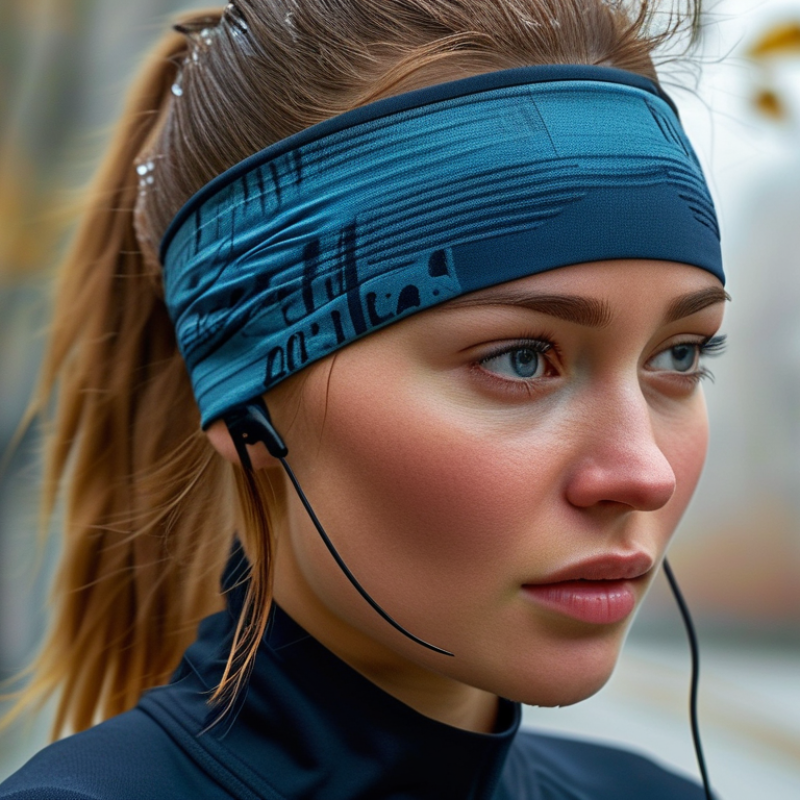
A multifunctional headband is a stretch fabric accessory with several practical uses. It can hold hair, absorb sweat, cover ears, or protect the neck from light wind. Most designs use polyester, nylon, merino wool, or blended fibers. These materials manage moisture differently. A close weave blocks more wind, while an open knit improves ventilation. Flat seams reduce pressure during running, cycling, or long walks. Some models use elastic panels for stability, but excessive tension can cause headaches. Fit is still personal.
The Global Wellness Institute’s 2024 Global Wellness Economy Monitor valued the wellness economy at 6.3 trillion US dollars in 2023. That growth supports demand for simple, adaptable activity accessories. However, a headband is not automatically protective equipment. Its warmth, moisture control, and ultraviolet performance depend on fabric weight, construction, and testing. Look for clear fiber information and care instructions. For sun protection, check verified UPF testing rather than trusting vague claims. AATCC 183 is one recognized method for measuring textile ultraviolet transmission. I would not assume one garment works equally well in every season.
Tips: Test the band for ten minutes indoors. Check pressure behind your ears. Stretch it over your neck. Wash it before extended use. If damp fabric stays cold against your skin, choose a faster-drying material. Small details matter.

2026 How to Choose a Multifunctional Headband?
A multifunctional headband should match your activity, climate, and skin sensitivity. Material choice matters more than attractive patterns. Polyester dries quickly and handles repeated washing well. Nylon feels smooth and resists abrasion during outdoor use. Merino wool regulates warmth, even when damp, but some users may find it itchy. Elastane adds stretch, although excessive stretch can reduce support over time. Check the fabric blend, not just the product description.
Test the headband around your forehead for pressure and movement. A reliable design should stay secure without leaving deep marks. Flat seams reduce rubbing during running or cycling. Moisture-wicking fabric helps sweat move away from the skin. For sunny activities, consider certified ultraviolet protection. A wider section can cover ears, while a thinner section may work better under a helmet. I once chose a very soft headband that slipped after ten minutes. Comfort alone was not enough.
Tips: Wash the headband before serious use. Try it during a short walk first. Check whether it dries overnight. Avoid assuming every “all-season” fabric feels suitable. Some materials need gentle washing, and heat can damage elastic fibers. If you have sensitive skin, examine the inner seams and avoid harsh finishes. Reflective details may improve visibility in low light, but they cannot replace proper safety equipment. Evaluate the headband after several uses, not only during the first fitting.
A practical comparison of common headband materials, construction details, and functional features
| Material or Construction | Moisture Management | Warmth and Breathability | Drying Speed | Stretch and Fit | Odor Considerations | Care Requirements | Suitable Uses | Features to Evaluate |
|---|---|---|---|---|---|---|---|---|
| Polyester–Spandex Blend | Good moisture wicking when the fabric has a performance knit or brushed channels. | Light to medium warmth; breathable in a thin construction. | Fast drying because polyester absorbs little water. | High stretch and reliable shape retention when elastane is well integrated. | Can retain odor after repeated wear unless washed thoroughly or treated for odor control. | Usually machine washable; avoid excessive heat to protect elastane. | Running, gym training, cycling, travel, and everyday active wear. | Check fabric weight, seam placement, recovery after stretching, and sweat-wicking finish. |
| Merino Wool Blend | Manages moisture vapor effectively and remains comfortable across changing conditions. | Excellent temperature regulation; warmer than thin synthetic fabric in cool weather. | Slower drying than polyester, especially in a thick knit. | Moderate natural stretch; a nylon or elastane blend improves recovery. | Wool fibers generally resist odor better than many common synthetics, but performance varies by blend and care. | Use a gentle cycle and mild detergent; avoid high heat and aggressive agitation. | Hiking, skiing, commuting, cold-weather running, and multi-day travel. | Check fiber percentage, softness against the forehead, pilling resistance, and care-label instructions. |
| Nylon–Spandex Blend | Good moisture transfer, particularly in lightweight knitted structures. | Generally cool and smooth; warmth depends mainly on thickness and lining. | Fast drying, although a dense weave may dry more slowly than a mesh knit. | Very good stretch, abrasion resistance, and shape recovery. | May hold odor without regular washing or an appropriate odor-management finish. | Machine washable; protect from high temperatures and fabric softener buildup. | High-movement sports, water activities, travel, and close-fitting headwear. | Check edge binding, flat seams, elasticity after repeated stretching, and resistance to snagging. |
| Polypropylene Layer | Very low moisture absorption and effective liquid transfer when used as an inner layer. | Lightweight with useful insulating properties; breathability depends on knit density. | Extremely fast drying. | Needs a stretch fiber or suitable knit structure for a secure, comfortable fit. | Can develop persistent odor and may require careful laundering. | Follow the care label; avoid high heat and oily residue from unsuitable products. | Cold-weather layering, high-sweat activities, and quick-dry performance systems. | Check whether it is used next to skin, combined with elastane, and covered by a softer outer layer. |
| Cotton–Elastane Blend | Comfortable in dry conditions but absorbs sweat and may feel wet during intense exercise. | Soft and breathable; provides limited insulation when damp. | Slow to moderate drying because cotton retains moisture. | Comfortable stretch, but repeated hot washing can reduce elastane performance. | Odor is usually manageable with normal washing, but damp fabric can become uncomfortable quickly. | Machine washable; use moderate heat to reduce shrinkage and elastic damage. | Casual wear, light activities, yoga, and low-intensity daily use. | Check shrinkage control, sweat-zone construction, fabric density, and moisture comfort. |
| Viscose or Bamboo-Viscose Blend | Absorbent and soft, but may feel damp longer than a technical synthetic fabric. | Smooth, breathable, and comfortable in mild conditions; limited warmth when wet. | Moderate to slow drying depending on blend ratio and fabric thickness. | Good drape and comfort; elastane improves fit and recovery. | Odor performance depends on the blend and finish; do not assume natural antibacterial protection. | Use gentle washing and avoid excessive heat, which may affect softness and shape. | Sensitive-skin comfort, casual wear, studio activities, and moderate climates. | Check verified fiber composition, wet strength, seam durability, and moisture-drying expectations. |
| Recycled Polyester Blend | Comparable to conventional polyester when the yarn and knit structure are equivalent. | Light to medium warmth with good breathability in a suitable construction. | Fast drying and suitable for repeated active use. | Good durability; elastane or engineered knitting improves stretch and retention. | Odor behavior is similar to other polyester fabrics and depends on the finish and laundering. | Generally machine washable; reduce heat and avoid unnecessary tumble drying. | Active lifestyles, travel, everyday use, and products where recycled content is important. | Look for clear recycled-content information, stable color, fabric density, and transparent care instructions. |
| Evaluation Dimension | What to Check | Why It Matters | Practical Target |
|---|---|---|---|
| Fit and Size Range | Head circumference range, stretch recovery, and whether the band stays in place without excessive pressure. | A secure fit prevents slipping while reducing headaches, marks, and discomfort. | Choose adjustable or highly recoverable designs for shared or variable sizing. |
| Width and Coverage | Finished width, ear coverage, hair containment, and ability to fold or wear as a neck gaiter. | Width affects warmth, versatility, sweat control, and styling options. | Select a wider design for warmth and a narrower design for low-bulk activity. |
| Seam Construction | Flat seams, bonded edges, thread security, and the position of seams near the forehead and ears. | Poorly placed seams can cause rubbing, pressure points, or premature failure. | Prefer flat or low-profile seams for running and long-duration wear. |
| Breathability | Mesh panels, open-knit zones, fabric weight, and ventilation around the ears. | Improves comfort during exercise and in warm environments. | Look for targeted ventilation rather than relying only on a thin appearance. |
| Weather Protection | Wind-resistant outer surface, thermal lining, water resistance, and verified UPF information when sun protection is claimed. | Different environments require different protection levels. | Use a thermal lining for cold weather and a breathable, light fabric for summer. |
| Multifunctional Design | Conversion into a neck warmer, face covering, hair band, ear warmer, or sweatband. | More wearing modes increase usefulness while reducing the need for multiple accessories. | Check whether each mode remains comfortable and secure, not just technically possible. |
| Durability | Pilling, edge fraying, colorfastness, elastic recovery, and resistance to repeated washing. | Frequent stretching and washing place high stress on headbands. | Review construction quality and care guidance before judging material alone. |
| Skin Comfort | Softness, interior labels, edge pressure, moisture against skin, and possible fiber sensitivity. | The forehead and ears can become sensitive during prolonged wear. | Choose soft, low-friction surfaces and avoid rough labels or rigid trims. |
| Care and Hygiene | Machine-wash instructions, drying method, odor retention, and drying time between uses. | A headband absorbs sweat, skin oils, and hair products during regular use. | Prioritize washable, quick-drying designs for daily training. |
| Material Transparency | Fiber percentages, recycled-content details, chemical finishes, and complete care labeling. | Clear information makes performance and sustainability claims easier to assess. | Avoid vague claims such as “natural,” “antibacterial,” or “eco-friendly” without supporting details. |
A multifunctional headband should match your movement, weather, and comfort needs. For running, choose a lightweight fabric that moves sweat away from the forehead. A secure stretch fit helps during sharp turns and faster training. Avoid overly thick materials in humid conditions. They can trap heat and feel heavy.
For hiking or cycling, consider wider coverage around the ears and hairline. This design can reduce wind discomfort and protect against light dust. In bright outdoor settings, a headband with practical sun coverage may feel more useful. Check the fabric before buying. Some soft materials lose their shape after repeated washing. I once selected a loose headband for a long hike, and it slipped whenever I looked down. That mistake changed how I judge fit.
Cold environments need warmth without excessive pressure. A fleece-lined option may suit slow walks, but it can feel too hot during intense exercise. For indoor workouts, thinner fabric usually works better. Stretch the headband gently before use, then check whether it stays in place without leaving deep marks. It should feel stable, not tight. Also inspect the care label and wash it regularly, especially after sweaty sessions. Personal comfort varies, so a headband that works in a gym may fail on a windy trail.
2026 How to Choose a Multifunctional Headband?
How to Choose the Right Size, Fit, and Comfort Level
A multifunctional headband should feel secure without pressing your temples. Measure your head where the band will sit, usually across the forehead and above the ears. Keep the tape level, but do not pull it tightly. My first measurement was careless. I tightened the tape and chose a size that later felt restrictive. Measure twice, especially if your hair is thick or curly.
Fit matters. A suitable headband stays in place during walking, cycling, stretching, or outdoor work. It should cover the intended area without blocking your vision or irritating your ears. Look for flexible fabric with moderate stretch. Excessive elasticity may create pressure, while weak elasticity can cause slipping. Too tight hurts. Too loose distracts.
Comfort also depends on seams, moisture control, and temperature. Soft, flat seams reduce rubbing around the forehead and behind the ears. Breathable materials can feel better during exercise, but warmth may be useful in cold weather. Check the care instructions before choosing. Frequent washing can change fabric shape over time. I still underestimate this detail sometimes. Test the headband indoors for several minutes before wearing it outside. Notice pressure, heat, slipping, and skin irritation. A small adjustment in size can make a large difference during extended use.