Leave Your Message

10 Best Pet Bags for Travel Which One Is Right for You?

Travel with a companion animal can feel simple until the airport queue begins. A suitable Pet Bag must support comfort, control, ventilation, and practical movement. It should also match the animal’s size, temperament, and travel method. A soft carrier may suit a calm cat on a train. A stronger, structured design may serve a nervous small dog better.

The American Pet Products Association’s 2023–2024 National Pet Owners Survey reported that 66% of U.S. households owned a pet. That figure reflects a large and increasingly mobile pet-owning public. However, ownership does not guarantee travel readiness. The International Air Transport Association’s Live Animals Regulations emphasize adequate ventilation, secure construction, and sufficient space for animals during air transport. Airline policies still vary widely. Always check the current carrier rules.

Details matter.

This guide examines ten leading pet travel bags through practical criteria. These include interior dimensions, weight, ventilation panels, washable materials, shoulder comfort, and escape resistance. It also considers real situations, such as a carrier sliding beneath a train seat or becoming heavy after twenty minutes of walking. Center for Pet Safety research and testing principles further remind buyers to question attractive designs that lack clear safety evidence.

No single bag fits every animal. I may favor lightweight models too quickly, while another traveler may value rigid protection more. That uncertainty deserves honesty. The right choice depends on your pet’s body shape, behavior, destination, and transport provider. The following comparison helps you identify which Pet Bag offers the most convincing balance for your journey.

10 Best Pet Bags for Travel Which One Is Right for You?

What Makes a Pet Travel Bag Safe, Comfortable, and Practical

A safe pet travel bag should protect without making your pet feel trapped. Look for strong, breathable panels that allow steady airflow on every side. The base should remain firm when lifted, while soft padding helps reduce pressure during long journeys. A washable liner matters too. Accidents happen.

Fit is more important than appearance. Your pet should be able to stand, turn around, and lie down naturally. However, too much empty space can cause sliding during movement. Measure your pet while standing, then compare those measurements with the bag’s usable interior, not its outside size. Secure zippers and short safety attachments can prevent sudden escapes, but they should never restrict breathing or movement. Check all seams before each trip.

Practical design makes travel less stressful for both of you. Padded shoulder straps, stable handles, and luggage compatibility can reduce awkward lifting. Storage pockets are useful, but overloading them may affect balance. I once chose a bag with excellent cushioning, yet its narrow opening made my nervous pet difficult to guide inside. Comfort is not only about padding. Entry, visibility, temperature, and your handling style all matter. Test the bag at home first, using a few quiet minutes and familiar bedding. Watch your pet’s breathing, posture, and behavior. If they seem distressed, rethink the setup rather than forcing the journey.

10 Best Pet Bags for Travel Which One Is Right for You? - What Makes a Pet Travel Bag Safe, Comfortable, and Practical

Rank Pet Travel Bag Type Best For Suggested Pet Weight Approx. Bag Weight Typical Dimensions Ventilation Safety and Comfort Features Practicality Air Travel Note Overall Score
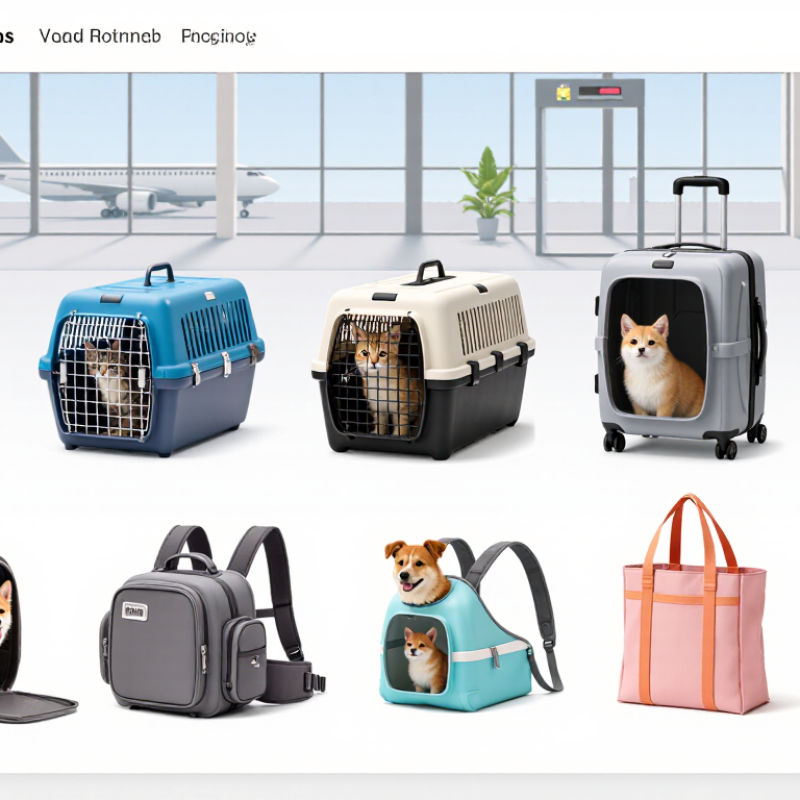
1 Soft-Sided Airline Carrier Small cats and dogs needing an under-seat carrier Up to 8 kg / 18 lb 1.3–1.8 kg Approximately 45 × 28 × 28 cm Mesh panels on three or four sides Padded base Safety tether Lockable zippers Washable liner Lightweight, foldable, and easy to place under a seat Confirm the airline’s current under-seat size and pet rules before flying. ★★★★★ 4.8/5
2 Expandable Soft Carrier Long journeys and pets that need extra resting space Up to 8 kg / 18 lb 1.6–2.2 kg Approximately 45 × 28 × 28 cm; expands to about 45 × 70 × 28 cm Large breathable mesh sections Expandable sides Removable mat Seat-belt straps Internal tether Provides a larger area at terminals, hotels, or rest stops Use the compact configuration if the carrier must fit beneath an aircraft seat. ★★★★★ 4.7/5
3 Structured Hard-Shell Carrier Pets that prefer a stable, enclosed travel space Up to 10 kg / 22 lb, depending on interior size 2.5–4.0 kg Approximately 50 × 35 × 32 cm Ventilation openings on the sides and rear Rigid protection Secure door latch Stable floor Easy-clean surface Durable and simple to clean after accidents Dimensions and shell design may not meet every airline’s cabin requirements. ★★★★☆ 4.5/5
4 Rolling Pet Carrier Airport walking, train stations, and long indoor transfers Up to 8 kg / 18 lb 2.5–4.5 kg Approximately 45 × 30 × 30 cm Mesh windows on multiple sides Telescopic handle Smooth wheels Padded interior Safety strap Reduces lifting but can be less comfortable on stairs or rough ground Wheels and handles can affect the external size allowed in the cabin. ★★★★☆ 4.4/5
5 Pet Backpack Carrier Hands-free travel, walking, and public transportation Up to 8 kg / 18 lb 1.2–2.0 kg Approximately 45 × 32 × 30 cm Ventilated mesh panels and air openings Chest strap Padded shoulder straps Firm base Internal tether Convenient for stairs and crowded areas; requires correct weight distribution Check whether the backpack shape and dimensions are accepted for cabin use. ★★★★☆ 4.3/5
6 Ventilated Pet Sling Very small pets and short trips Up to 5 kg / 11 lb 0.4–0.8 kg Approximately 40 × 25 × 20 cm Open top with breathable fabric panels Lightweight Adjustable strap Safety clip Soft lining Fast to carry and store, but offers less structural protection Usually more suitable for ground travel than flights; airline acceptance varies widely. ★★★★☆ 4.1/5
7 Car Safety Carrier Road trips and pets that need extra restraint Up to 12 kg / 26 lb 2.0–4.0 kg Approximately 55 × 36 × 36 cm Wide mesh sides with rear ventilation Seat-belt attachment Reinforced frame Non-slip base Padded floor Designed for vehicle stability and repeated use A vehicle carrier may be too large or heavy for cabin travel. ★★★★☆ 4.2/5
8 Bicycle Pet Carrier Basket Short bicycle rides with very small pets Up to 7 kg / 15 lb 1.0–2.0 kg Approximately 40 × 30 × 30 cm Mesh cover or open-air design with a protective top Frame mounting Safety tether Reinforced base Reflective details Useful for local travel but unsuitable for high-speed or rough cycling Not intended for aircraft use; follow local cycling safety requirements. ★★★☆☆ 3.9/5
9 Foldable Travel Crate Hotels, camping, and extended stays away from home Up to 15 kg / 33 lb, depending on crate size 2.0–5.0 kg Small to large sizes; commonly 60–90 cm long Mesh windows on several sides Collapsible frame Water-resistant fabric Ground anchors Removable floor Creates a familiar resting area but is less protective during transport Generally a destination crate rather than a cabin carrier. ★★★☆☆ 3.8/5
10 Ventilated Cargo Crate Large pets and professionally managed ground transport Up to 30 kg / 66 lb or more, based on crate size 4.0–10.0 kg Commonly 75–100 cm long for medium-sized pets Ventilation openings on all sides Rigid shell Metal door Leak-resistant floor Water bowl attachment Strong protection and good airflow, but bulky to carry Air-cargo requirements are strict; confirm crate dimensions and specifications with the carrier. ★★★☆☆ 3.7/5

Key Pet Bag Types and the Travel Situations They Suit Best

Choosing among the 10 best pet bags starts with the journey, not the color or price. The American Pet Products Association’s 2023–2024 survey reports that 66% of U.S. households own a pet. That scale makes practical travel design increasingly important.

Soft-sided carriers suit train rides, taxis, and airplane cabins when flexibility matters. Look for breathable mesh, a firm base, and an opening wide enough for calm loading. Hard carriers offer stronger protection for road trips and nervous animals. They also resist crushing under luggage. A backpack works for short walks between terminals, but shoulder strain appears quickly with heavier pets. Wheeled carriers help on smooth floors, yet stairs and crowded platforms can become awkward.

For outdoor travel, a ventilated stroller may suit senior, injured, or easily tired pets. Always check the carrier’s internal length, not only its stated weight limit. Your pet should stand, turn, and lie naturally. The International Air Transport Association’s Live Animals Regulations emphasize ventilation, secure construction, and suitable dimensions for air transport. Airline policies still differ, so the carrier must be checked against the current route rules. The American Veterinary Medical Association also recommends gradual carrier training before departure. Place a familiar blanket inside, then practice with brief five-minute trips. It is not perfect, but it reveals zipper problems, tipping, and panic before travel day.

How to Compare Size, Materials, Ventilation, and Support

10 Best Pet Bags for Travel: Which One Is Right for You?

Choosing a pet travel bag starts with size, not appearance. Measure your pet from nose to tail and from floor to shoulder. Add enough room for turning, sitting, and lying naturally. A bag that looks spacious may feel cramped once a blanket is added. I once chose a carrier based on weight alone. That was a mistake.

Materials affect comfort and daily handling. A firm base helps pets stay balanced during movement. Washable fabric is practical after muddy walks or nervous accidents. Strong seams and reliable fasteners matter more than decorative details. Soft sides can reduce bulk, but they may collapse around a larger animal. Check the bag by pressing its panels gently. Weak structure becomes obvious.

Ventilation needs careful comparison. Look for mesh panels on more than one side, allowing air to move through the interior. The openings should provide visibility without exposing delicate paws. Avoid designs that trap heat near the floor. Support is equally important for both pet and handler. Padded shoulder straps, wide handles, and a stable bottom reduce strain. Test the loaded bag at home for ten minutes. Your pet may settle quickly, or may not. A bag can meet every measurement and still feel wrong in real use. Observe breathing, posture, and restlessness before traveling.

10 Best Pet Bags for Travel: Which One Is Right for You?

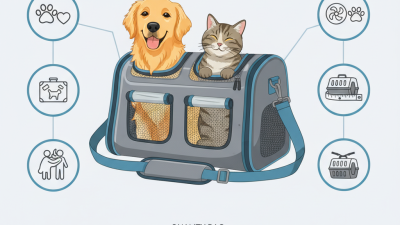
This reference chart compares common pet-bag designs on a 1–5 scale across usable space, material durability, ventilation, and structural support. Higher scores indicate a stronger fit for longer journeys, while lower scores may be more suitable for short trips or smaller pets. Always confirm your pet’s measurements, weight, and transportation rules before buying.

Ten Pet Bag Options and the Features That Set Them Apart

The right pet bag depends on your animal, route, and carrying habits. The American Pet Products Association reported that 66% of U.S. households owned a pet in its 2023–2024 survey. That large user base needs more than attractive fabric. It needs practical design.

These ten options cover different travel needs:

a soft shoulder carrier for short walks
a backpack for hands-free movement
a wheeled bag for airports
a structured cabin carrier for stable support
a sling for tiny pets
a foldable bag for storage
a ventilated mesh carrier for warm days
a waterproof carrier for rainy commutes
a reinforced bag for anxious animals
a convertible carrier for mixed journeys

Look for wide openings, padded bases, strong stitching, washable liners, and secure interior clips. The International Air Transport Association emphasizes ventilation, safe closures, and suitable space in its live-animal transport guidance.

Fit matters most.

Your pet should stand, turn, and lie down without forced curling. Measure the back and shoulder width, then compare those numbers with the carrier’s internal dimensions. Do not trust external size alone. A bag can look generous but feel cramped inside.

I once overvalued light weight and ignored base stability; that was a poor choice. Test the empty bag first, then add a familiar blanket and observe your pet’s breathing, posture, and movement. Some designs still need better side support.

How to Choose the Right Pet Bag for Your Animal and Trip

The right pet bag starts with your animal, not its color or price. Measure your pet while standing, then check length, shoulder height, and weight. The bag should allow standing, turning, sitting naturally, and lying down. These are also core conditions in the International Air Transport Association’s container guidance. Ventilation matters on warm platforms and crowded terminals. Choose several mesh panels, but avoid openings large enough for paws or collars to catch.

Trip length changes the decision. A short car ride may suit a structured carrier with a seat-belt attachment. A train journey needs stronger flooring, quiet movement, and an easy-clean liner. For air travel, confirm the current airline policy before buying. Under-seat dimensions can differ by aircraft and route. Do not trust “airline approved” wording alone. It is often too vague.

The American Pet Products Association’s 2023–2024 National Pet Owners Survey estimates that 66% of U.S. households own a pet, equal to about 86.9 million homes. That scale explains the crowded pet-travel market, but popularity is not proof of safety. Small dogs may need firm support, while cats often prefer darker interiors. Flat-faced animals can face breathing risks, so veterinary advice deserves priority. I would also test the bag at home for ten minutes. If your pet pants, scratches, or refuses treats, the design may look practical but feel wrong. Comfort wins.