Essential First Aid Kit Tips for Every Household Guide?
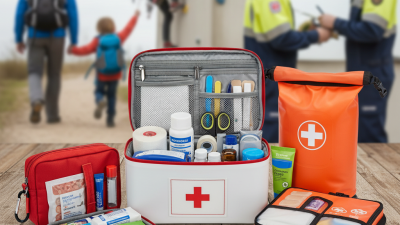
An essential First Aid Kit is a must-have for every household. Emergencies can happen at any time. Having the right supplies ready can make a big difference. It is not just about convenience; it’s about safety and preparedness.
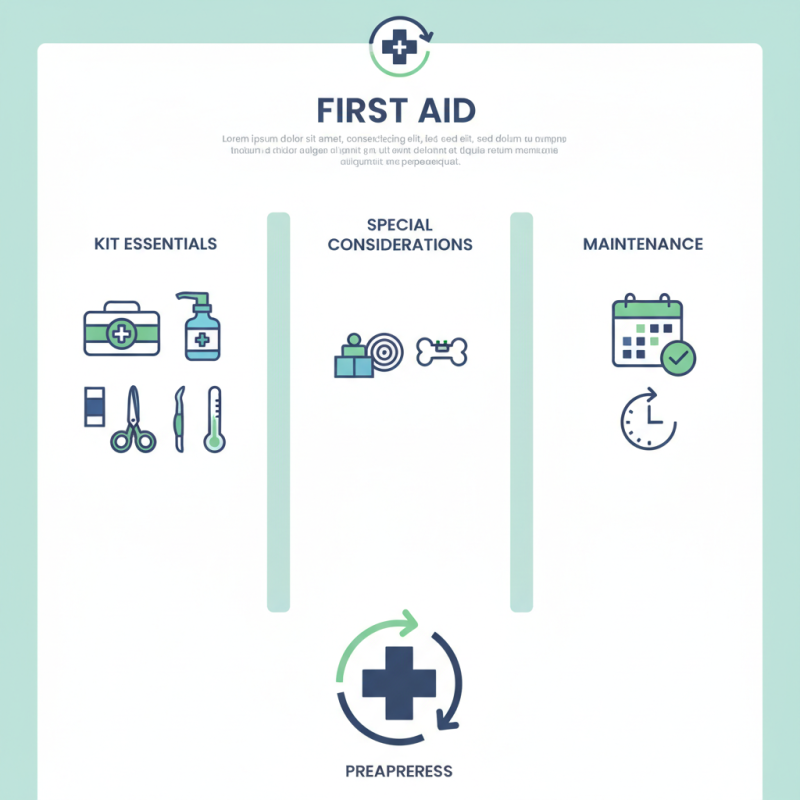
Consider what you might need in a crisis. Band-aids, antiseptic wipes, and gauze are crucial. But remember to include items for specific needs, like kids or pets. It's easy to overlook what might be necessary. Inaccurate kits can lead to frustration when it matters most.
Regularly check your First Aid Kit. Items can expire and lose effectiveness. If you haven’t used it in a while, take some time to review its contents. Replenish supplies and remove expired items. Reflecting on this process can help ensure that you are truly prepared for any situation.
Essential Components of a First Aid Kit for Every Household
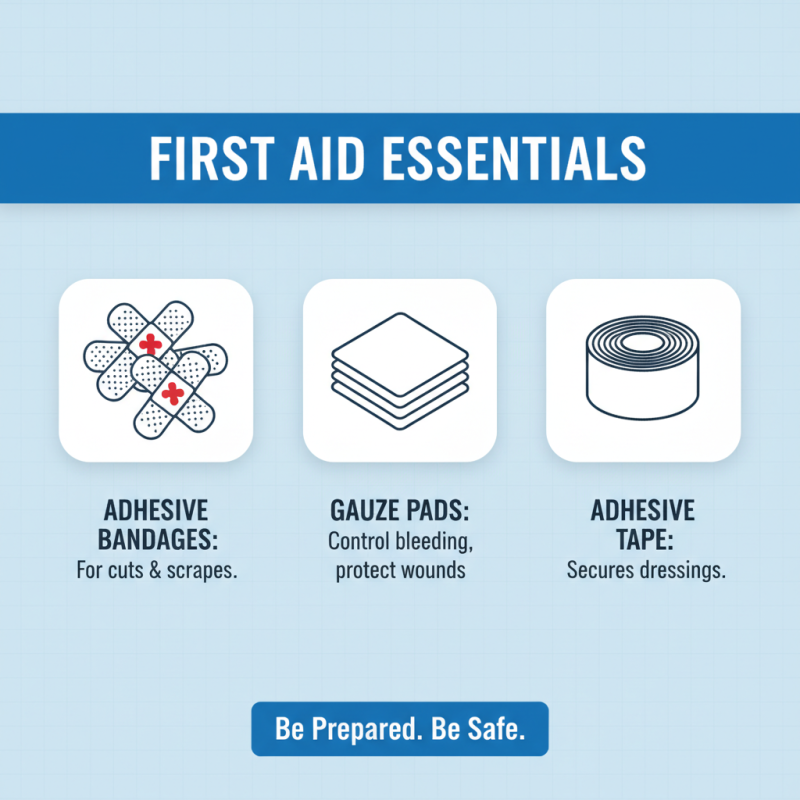
When assembling a first aid kit, it’s vital to include essential components. Start with adhesive bandages in various sizes. They are helpful for small cuts and scrapes. Gauze pads should be there, too. These can help control bleeding and protect wounds. Don't forget adhesive tape; it secures the gauze in place.
Antiseptic wipes are a must-have. They clean minor injuries and reduce infection risk. Having tweezers on hand is also useful. They can remove splinters or ticks. Include scissors for cutting tape and gauze easily. For pain relief, over-the-counter medication can be handy. Of course, check expiration dates regularly.
Consider a first aid manual. It provides instructions for various situations. Reflect on personal needs as well. If someone has allergies, add an epinephrine auto-injector. Store the kit in a accessible, dry place. Review the contents often; an expired item won’t help in emergencies. Keep it organized, but remember that it won’t be perfect. Missing items can happen, and that’s okay. Just aim to learn and improve over time.
Guidelines for Customizing Your First Aid Kit to Fit Family Needs
Creating a first aid kit that meets your family’s needs is essential. Start by considering your family’s specific health concerns. Do any members have allergies? Identifying these can guide what supplies to include. A simple kit might lack crucial items like antihistamines or an epinephrine auto-injector.
Next, think about your home environment. Young children may require pediatric-specific items, while older adults might need supplies for chronic conditions. Don’t forget to add different bandages. You’ll want a range of sizes for small cuts to larger wounds. Each family member may have different needs, so personalize with care.
Regularly check your kit for expired items. This often gets overlooked. Update your kit every few months. Talk with your family about what’s inside. They should know how to use it. It’s okay if your kit isn't perfect. Just make sure it evolves with your family. Reflect on what works and what doesn’t. Keeping your first aid kit relevant is a step toward safety.
Maintenance Tips for Ensuring Your First Aid Kit is Always Ready
When maintaining a first aid kit, regular checks are essential. Studies show that nearly 30% of households lack a functional kit. This statistic is alarming. A first aid kit is a safety net in emergencies. Items can expire or get depleted over time. Ensuring your kit is ready can be crucial.
To keep your kit in top shape, start with quarterly checks. Look for expired supplies like antiseptics or medications. Replace items that have been used. According to a health report, nearly 50% of families don’t replace used items promptly. This can lead to delayed treatment during emergencies.
Keep your kit organized. Use labeled pouches for different categories. For instance, have one for bandages and another for medications. A clear layout helps in high-pressure situations. Remember, a neglected kit is a missed opportunity for timely care. Engage your family in these checks. It makes the process smoother and more comprehensive.
Steps for Using First Aid Supplies Effectively in Emergencies
In any household, having a well-equipped first aid kit is crucial. Emergencies can happen at any moment. An effective kit can make all the difference. Studies indicate that 70% of emergency situations can be managed with basic first aid. Knowing how to use the supplies is just as important as having them.
When you open a first aid kit, be prepared. Begin by identifying the items you have. Familiarize yourself with antiseptics, bandages, and gauze. Each item serves a specific purpose. For instance, gauze can stop bleeding, while antiseptics prevent infection. In fact, improper use of supplies can lead to complications, underscoring the need for knowledge.
Tips can enhance your preparedness. Keep your kit in a central location, easily accessible. Re-filling supplies regularly is crucial. Not all kits have an expiry date on each item, leading to reliance on out-of-date materials. Taking a basic first aid course can deepen your understanding. Although you may feel confident, practice is essential. Skills can fade without use. Be sure to review protocols on treating burns, cuts, and fractures regularly. Small details matter in critical times.
Educational Resources for First Aid Training and Certification
In recent data from the American Heart Association, about 70% of adults lack basic first aid knowledge. This statistic highlights the crucial need for effective first aid training. Educational resources offer structured programs to help individuals gain necessary skills. Online courses and local workshops are readily available. Many organizations also provide certification upon completion, validating your proficiency.
Engaging in these training sessions can significantly boost your confidence during emergencies. Hands-on practice is vital, as it reinforces your ability to respond effectively. However, it’s common for people to underestimate the importance of ongoing education. Skills can fade over time if not practiced. Continuous learning keeps knowledge fresh and applicable.
Moreover, a lack of preparedness can lead to serious consequences. An NSF International survey found that 59% of respondents felt unprepared for emergencies. This sentiment emphasizes the need for households to invest in educational resources. Building a culture of awareness and readiness can foster a safer environment. It's a simple step that can make a difference when it counts the most.
Essential First Aid Kit Tips for Every Household
| Item |
Purpose |
Quantity |
Notes |
| Adhesive Bandages |
Cover small cuts and abrasions |
10 |
Variety of sizes recommended |
| Gauze Pads |
Control bleeding and cover larger wounds |
5 |
Include sterile options |
| Antiseptic Wipes |
Clean wounds to prevent infection |
10 |
Individually packaged preferred |
| Tweezers |
Remove splinters and ticks |
1 |
Stainless steel recommended |
| Scissors |
Cut tape, gauze, and clothing |
1 |
Blunt-tip scissors ideal for safety |
| Pain Relievers |
Relieve pain and reduce fever |
1 bottle |
Include dosage instructions |
| Burn Cream |
Soothe and protect burns |
1 tube |
Check expiration date regularly |
| Emergency Blanket |
Retain body heat in emergencies |
1 |
Compact and lightweight |