Leave Your Message

Top Plastic Boot Protector Pair for Work Boots?

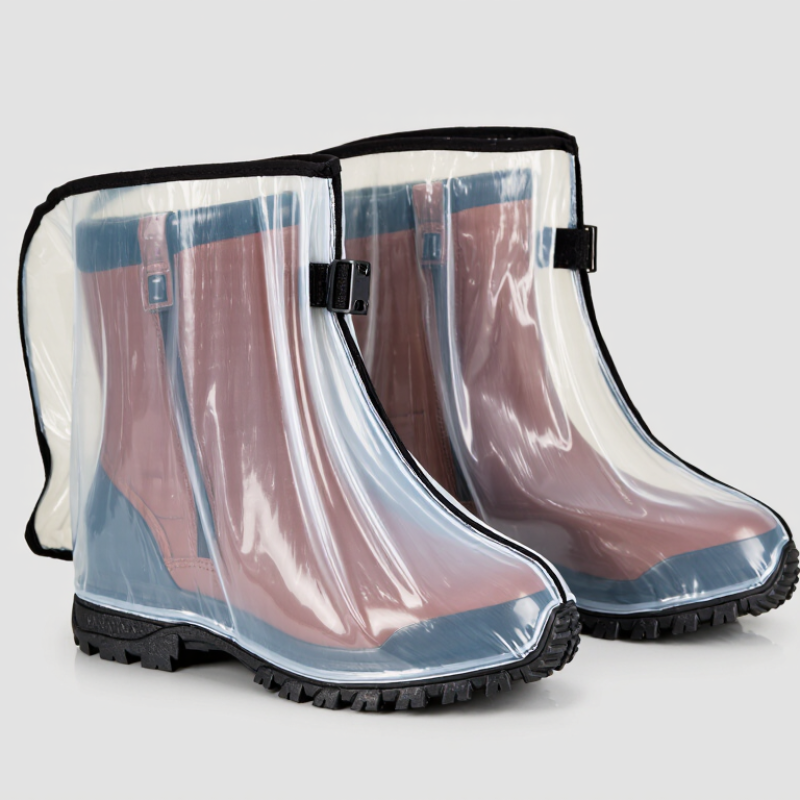
Choosing the Top Plastic Boot Protector Pair for Work Boots requires more than comparing photographs. A practical protector should fit securely, resist mud, and remain comfortable during long shifts. The Plasitc Boot Protector Pair can help shield work boots from wet grass, light rain, soil, and everyday splashes. However, protection depends on correct sizing and careful use.

A dependable pair should cover vulnerable areas without restricting ankle movement. Look for flexible plastic, reinforced seams, adjustable closures, and a sole design that stays stable. A loose protector may catch on steps. A tight one may split near the heel. Small details matter.

Real jobsite experience reveals problems that product descriptions often overlook. Mud can collect around fasteners. Water may enter through an open zipper. Thin plastic can stiffen in cold weather. These limitations deserve honest attention before purchase. No protector replaces proper boots or sensible workplace practices.

Before choosing, measure your boot height and widest point. Test the pair over clean boots. Walk, bend, and climb a few steps indoors. Check whether the covering rubs against the heel or blocks the tread. It is a simple test.

Reliable guidance should consider construction, fit, weather exposure, and maintenance rather than promising complete waterproofing. After use, rinse away grit and let the protectors dry naturally. Direct heat may damage the material. Some designs perform well in rain but poorly against sharp debris, so expectations should remain realistic. That balance makes a work boot protector more useful, trustworthy, and easier to evaluate.
Top Plastic Boot Protector Pair for Work Boots?

What Are Plastic Boot Protectors and Why Do Work Boots Need Them?

Plastic boot protectors are removable shields worn over work boots. They help block water, mud, chemicals, sparks, and surface scuffs. Some models cover the toe, while others surround the entire boot. Their value depends on the hazard.

Work boots need protection because leather, stitching, and soles can deteriorate in harsh conditions. The U.S. Bureau of Labor Statistics recorded about 2.6 million nonfatal private-industry workplace injuries and illnesses in 2023. Not every case involved footwear, but the figure shows why small protective decisions matter. OSHA’s 29 CFR 1910.136 also requires protective footwear where falling objects, punctures, electrical hazards, or other foot injuries may occur. Plastic covers do not replace compliant safety boots. They add a barrier.

Choose a protector with enough room for the boot, but avoid loose movement. Check the material’s chemical and temperature resistance. ASTM F2412 and F2413 standards apply to protective footwear, not automatically to overshoes. That distinction is easy to miss. Inspect the cover before each shift. A split near the toe can admit water quickly. Moisture can also soften leather and encourage odor. I have found that the “strongest” cover is not always the best choice; poor grip can create a new problem.

Tips: Clean grit from the sole after use. Dry both layers separately. Replace cracked plastic immediately. Never assume a cover provides puncture protection unless its documentation clearly says so.
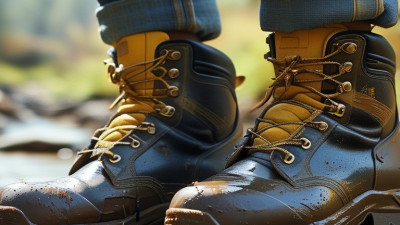
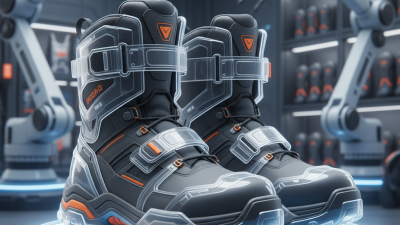
Key Features to Compare in a Plastic Boot Protector Pair

A reliable plastic boot protector pair should be judged by fit, coverage, and tested performance, not appearance. The protector must sit firmly over the work boot without crushing the toe box or blocking normal ankle movement. Check the plastic type, wall thickness, and temperature range. Thin material may split around the toe crease. Thick material can become stiff in cold weather. That trade-off is easy to miss.

Sole protection deserves equal attention. Look for deep, flexible tread that clears mud and keeps contact on wet concrete. The 2023 Liberty Mutual Workplace Safety Index reported that same-level falls cost employers about $10.4 billion in 2021. A slippery overshoe can worsen this risk. Test the pair on stairs and uneven floors before daily use. ASTM F2412 and F2413 cover performance requirements for protective footwear, but they do not automatically certify every plastic overshoe. The underlying work boot still needs suitable safety protection.

Useful details include an adjustable closure, reinforced heel, and sealed seams. A wide opening helps workers pull the protector over bulky boots. Ventilation reduces trapped sweat, while a washable surface limits dirt buildup. Chemical resistance should match the workplace substance, since “chemical resistant” is not a universal rating. Ask for measurable test data. Marketing language is not enough. I would also inspect the pair weekly for whitening, cracks, or stretched straps. That routine feels excessive at first, but missed damage can appear suddenly.

How to Choose the Right Protectors for Different Work Conditions

Top Plastic Boot Protector Pair for Work Boots?

Choosing plastic boot protectors starts with the worksite, not the product photo. For rainy yards, select a pair with a high shaft, sealed seams, and a textured sole. Water often enters through the opening when protectors fit loosely. Fit matters most. Measure over your actual work boots, including thick socks and trousers.

For muddy ground, look for flexible plastic that bends without cracking and a closure that stays secure while walking. A reinforced toe helps against splashes and light surface abrasion, but it does not replace safety footwear. On smooth indoor floors, deep tread may increase slipping risks by trapping dust. Check the sole. For cold conditions, stiff plastic can become less comfortable, so leave room for natural boot movement.

My early choice was too large. It gathered around the ankle and caught on steps. That mistake showed why adjustability matters more than extra coverage. Inspect the pair before every shift for splits, worn tread, or loose straps. If the job involves oils, solvents, or other chemicals, confirm the protector’s material rating through reliable technical information. Ordinary plastic is not automatically chemical-resistant. Replace damaged protectors promptly, and keep the work boots underneath clean and dry.

Step-by-Step Guide to Fitting Plastic Protectors Over Work Boots

Top Plastic Boot Protector Pair for Work Boots?

Fitting plastic protectors correctly starts with the work boot, not the cover. Liberty Mutual’s 2023 Workplace Safety Index estimated that serious, nonfatal workplace injuries cost U.S. employers $58.5 billion, using 2020 data. That figure supports careful protective-equipment choices, but plastic covers are only one layer of protection.

Check the protector’s size chart first. Measure the boot while wearing the socks used at work. Remove loose mud and stones from the sole. Open the cover fully, then slide the toe into the front pocket. Pull the plastic evenly over the heel. Never force it across sharp boot hardware. Secure the strap or elastic without crushing the ankle. Walk several steps and bend your knees. The sole should stay flat, with no folded edge under the heel. My first fitting was too tight, and the cover pulled upward after a few minutes. That mistake is easy to miss.

Tips: Inspect the sole before every shift. Replace cracked plastic. Keep the tread clean and dry. Do not treat overshoes as certified safety footwear. OSHA guidance and ASTM F2413 address protective footwear performance, including impact and compression resistance; a plastic protector does not automatically provide those features. Confirm that the underlying boot meets the hazard requirements. Test the fit again after changing socks. Small changes matter.

Top Plastic Boot Protector Pair for Work Boots? - Step-by-Step Guide to Fitting Plastic Protectors Over Work Boots

Selection or Fitting Stage Recommended Measurement or Specification Typical Practical Range How to Check the Fit Fitting Guidance
1. Measure boot length Measure from the heel’s rear edge to the longest toe point. Approximately 11–14.5 in (28–37 cm) for common work boots. Place the boot on the protector sole and confirm that the heel and toe remain inside the molded edges. Leave about 0.25–0.50 in (6–13 mm) of clearance at the toe and heel without allowing the boot to slide.
2. Measure boot width Measure the widest part of the outsole, normally across the forefoot. Approximately 4.0–5.5 in (10–14 cm). Check that the outsole does not force the protector’s sidewalls outward. Choose a sole cavity slightly wider than the boot outsole; excessive side-to-side movement reduces stability.
3. Check shaft opening Measure the boot shaft circumference where the protector’s upper opening will sit. Approximately 12–18 in (30–46 cm), depending on the boot style. The opening should surround the shaft without cutting into the leather, textile, or waterproof lining. A drawcord, strap, or adjustable cuff is useful for boots with tapered or irregular shafts.
4. Select protector height Match the protector height to the area requiring protection from mud, rain, snow, or splashes. Low-cut: 5–8 in (13–20 cm); mid-calf: 8–14 in (20–36 cm). When standing, the upper edge should stay below the knee and should not restrict normal ankle movement. For ordinary wet work, a mid-calf protector generally covers more of the boot shaft than a low-cut model.
5. Confirm plastic construction Look for flexible plastic panels with a reinforced sole and sealed or overlapping seams. Common materials include PVC, polyethylene, and thermoplastic polyurethane. Flex the protector gently; it should bend without cracking, splitting, or permanently deforming. Avoid sharp edges, brittle plastic, or an outsole tread that does not contact the ground evenly.
6. Put on the protector Open the cuff and loosen the closure before inserting the boot. Fit one protector per boot; install both protectors before walking. Insert the toe first, then pull the protector over the heel and up the shaft. Do not force the boot through a narrow opening, as excessive stretching can damage the plastic or closure.
7. Secure the closure Tighten the strap, snap, hook-and-loop tab, or drawcord around the boot shaft. The closure should hold the protector in place without compressing the boot. Walk several steps and check that the protector does not rotate, drag, or ride down. Retighten only enough to prevent movement; a loose fit can admit debris, while an overly tight fit can restrict movement.
8. Inspect sole contact Ensure the protector sole lies flat beneath the complete boot outsole. Full heel and forefoot contact is preferred; avoid lifted or folded sections. Stand on a flat, dry surface and look for rocking, bunching, or exposed boot edges. Do not use the pair if the sole is split, excessively worn, or unable to remain stable under the boot.
9. Perform a movement test Test walking, stair climbing, and moderate ankle flexion before entering the work area. Use a 2–5 minute indoor test on a clean, non-slip surface. Confirm that the heel stays seated and the protector does not interfere with the boot tread. Remove and refit the protector if it slips, folds, pinches, or changes the boot’s normal balance.
10. Clean and store Rinse off mud and salt, then dry the protectors before storage. Use cool or lukewarm water and allow complete air-drying. Check for cracks, punctures, loose closures, and worn tread after cleaning. Keep the pair away from direct heat, open flames, solvents, and prolonged sunlight to reduce plastic degradation.
Fit note: The measurement ranges are typical practical ranges for reusable plastic overshoes and boot covers. Always compare the protector’s actual internal dimensions with the work boot’s outsole length, width, and shaft circumference before use.

Cleaning, Maintenance, and Safe Storage for Long-Term Use

Top Plastic Boot Protector Pair for Work Boots?

Cleaning, Maintenance, and Safe Storage for Long-Term Use

A reliable plastic boot protector should fit firmly without restricting your steps. It should also cover the heel, toe, and lower ankle. The U.S. Bureau of Labor Statistics recorded 2,607,900 nonfatal workplace injury and illness cases in private industry during 2023. Slips and contaminated footwear remain practical safety concerns. A protector can reduce mud, water, and chemical splash exposure, but it cannot replace certified safety footwear. OSHA’s Personal Protective Equipment standard requires employers to assess workplace hazards before selecting protective equipment.

Clean protectors after every heavily soiled shift. Rinse off grit first. Then use mild soap, warm water, and a soft brush. Avoid harsh solvents and high heat. They can weaken plastic and distort the sole. Dry the pair fully, especially around folds and tread channels. I once stored mine slightly damp. The odor was difficult to remove, and I missed a small split near the heel.

Inspect the protectors under bright light before reuse. Check seams, buckles, elastic edges, and tread depth. Replace them when cracks remain open after flexing. Store each pair clean, dry, and loosely shaped. A breathable shelf is better than a sealed, hot vehicle compartment. Keep them away from direct sunlight and sharp tools. Labeling left and right sounds unnecessary, but it prevents rushed fitting. Plastic is durable, not indestructible. Regular inspection still matters.

Top Plastic Boot Protector Pair for Work Boots: Care Schedule

This chart presents practical care intervals for plastic boot protectors used with work boots. Remove dirt after each use, allow wet protectors to air-dry fully, inspect them regularly for cracks or sharp edges, and store them clean and away from direct sunlight or heat.