Choosing marathon headwear for a brand requires more than selecting a cap and adding a logo. Marathon Headwears must support runners through heat, sweat, wind, and long hours of movement. A practical choice begins with the race environment, runner feedback, and your brand’s purpose. Lightweight fabrics may improve comfort, but they can feel fragile during repeated washing. Heavier materials may look premium, yet they can trap heat.
Fit deserves careful attention. A cap that shifts at kilometer thirty can damage the entire race experience. Adjustable closures, soft sweatbands, breathable panels, and low-profile seams should be tested on different head shapes. Color and logo placement also matter. A bright front panel improves visibility, while reflective details can add value in early-morning events. Still, design must never replace comfort.
Our first sample looked attractive but absorbed sweat too slowly. That mistake changed the evaluation process. We now ask suppliers for fabric specifications, colorfastness information, stitching samples, and production records. Independent material testing can support claims about breathability or sun protection. Supplier experience matters, but clear evidence matters more. A reliable partner should explain limitations instead of promising perfection.
There is no universal best option. Climate, distance, audience, budget, and washing habits all influence the final decision. Small pilot orders can reveal sizing problems before a large production run. Runners may also notice details that brand teams overlook, such as a rough label or a tight elastic band. This guide explores those practical considerations, helping brands choose marathon headwear with greater confidence and fewer expensive surprises.
Define requirements around the race, not a mood board. A coastal spring marathon may bring wind and drizzle; a hot city course may demand light fabric, a secure fit, and a curved brim that shades the eyes. Specify who will wear the headwear, how long they will wear it, and whether it must fit over different hairstyles. Set brand goals too: visibility at aid stations, useful race-day comfort, or a product runners may wear again. Pick one primary goal. Too many can muddy the brief.
Material choices should support those goals. Textile Exchange’s Materials Market Report 2024 estimates global fiber production reached 124 million tonnes in 2023, with polyester accounting for 57 percent. That scale makes sourcing questions worth asking, but the figure alone does not prove a fabric is sustainable. Ask suppliers for composition, recycled-content documentation, and care guidance. Then test sweat absorption and drying time on a real run. On paper, many fabrics look right.
Set measurable standards before sampling: target weight, adjustable range, seam placement, color visibility, and acceptable cost per unit. The American College of Sports Medicine’s 2024 fitness trends survey ranked wearable technology first. That is not proof that runners want data-enabled hats; it is a reminder to keep performance claims evidence-based. Try prototypes in heat and wind, and ask runners where pressure builds after an hour. One sample is not enough. Some feedback will conflict. Record it anyway.
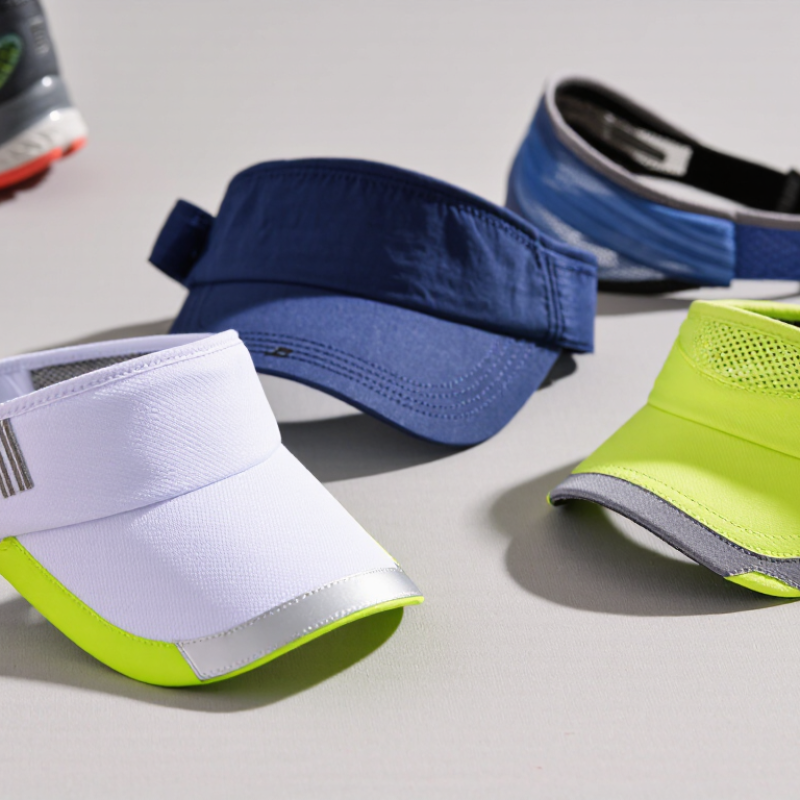
For hot, sunny race days, a lightweight cap with a curved brim shades the face and helps keep sweat out of the eyes. A breathable, quick-drying crown matters more than thick padding. A visor allows more airflow, but leaves the scalp exposed. That trade-off is easy to miss when samples are judged indoors. In humid weather, mesh panels can help, though very open mesh may provide limited sun coverage.
Cool, windy conditions call for a different shape. A close-fitting beanie or cap with ear panels can reduce chill without flapping during a run. Avoid excessive insulation: runners warm up quickly, and trapped moisture can feel uncomfortable. For rainy races, a low-profile cap can keep drops off the face. Water-resistant fabric helps, but it may feel less breathable during a long effort.
Fit changes everything. Test each style on runners with different head sizes, hairstyles, and preferred paces. Check for pressure at the temples, slipping when damp, and irritation from seams. Small details matter. One sample run is not proof; weather and pace can change the experience. The best choice may vary by race, so keep comparing prototypes outdoors rather than choosing by appearance alone.
| Headwear Style | Best Conditions | Coverage and Function | Material and Construction Considerations | Potential Limitations | Useful Customization Areas |
|---|---|---|---|---|---|
| Lightweight running cap | Sunny, warm, or mildly cool conditions; useful when light rain is possible. | A brim helps shade the eyes and face. A lightweight crown can provide some scalp coverage while allowing airflow. | Look for lightweight, quick-drying fabric, breathable panels, and an adjustable fit. A soft or foldable brim is convenient for packing. | Does not cover the ears or neck. A cap that is too heavy or poorly ventilated may feel warm during hard efforts. | Front panel, side panels, brim, and adjustable closure. |
| Running visor | Hot, sunny weather when maximum airflow is preferred. | Shades the eyes and face while leaving the top of the head uncovered. | Choose a sweat-managing headband and a secure, adjustable closure. A curved brim can help reduce glare. | Provides no scalp protection from direct sun or rain. Less suitable for cold or windy conditions. | Brim surface, headband, and closure tab. |
| Lightweight beanie | Cold, dry, or windy weather, especially at the start of a race. | Covers the scalp and ears to help reduce heat loss in cool conditions. | Soft, breathable, moisture-managing stretch fabric can provide a close fit without excessive bulk. | Can become too warm as temperatures rise or effort increases. Does not provide eye or face shade. | Front, side, and cuff areas; check that decoration does not reduce stretch or comfort. |
| Neck gaiter or multifunction tube | Cool, windy, dusty, or changeable conditions. | Can be worn around the neck and repositioned to cover the lower face, ears, or head, depending on its design. | Use soft, breathable stretch fabric with flat seams. A lighter fabric is generally more comfortable during sustained activity. | Coverage and fit vary with how it is worn. Face coverage can feel restrictive or retain heat during strenuous running. | All-over print area; confirm the print process preserves fabric stretch and hand feel. |
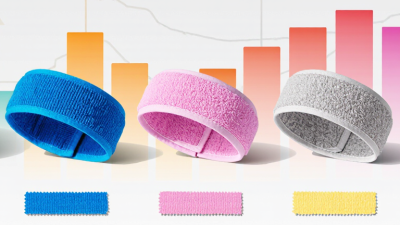
| Headband or ear warmer | Cool weather when runners want ear coverage without a full hat. | Covers the ears and helps keep hair and sweat away from the face; the top of the head remains uncovered. | Choose a soft, stretchable, moisture-managing fabric with a secure fit that does not press uncomfortably. | Limited protection from sun, rain, and wind on the scalp. May not stay in place if the fit is loose. | Front panel and side sections; keep seams smooth where they contact the ears. |
| Lightweight rain cap | Wet conditions when keeping rain off the eyes is a priority. | A brim directs some rain away from the face. A water-resistant crown can help shed light rain. | Consider a water-resistant outer fabric and a breathable construction. Water-resistant materials are not necessarily fully waterproof. | May retain heat in warm, humid weather. A cap alone does not keep the body dry in prolonged rain. | Front panel, brim, and side panels; test decoration for compatibility with the fabric finish. |
Selection note: Choose headwear according to the expected weather, race duration, fit, and runner preference. Sun protection depends on coverage and fabric properties; check the garment’s tested sun-protection rating where this is a requirement.
Marathon headwear must move sweat away without trapping heat against the scalp. The American College of Sports Medicine’s 2007 position stand, Exercise and Fluid Replacement, reports sweat rates commonly ranging from about 0.5 to 2.0 liters per hour. That wide range makes a single fabric choice unreliable for every runner. Lightweight polyester or nylon knits can spread moisture across a larger surface, while open mesh panels allow airflow over the crown. Feel the inside seam, too. A rough seam can rub after hours of repeated movement.
NIOSH heat-stress guidance identifies sweat evaporation as a key cooling pathway, so a cap that stays soaked may feel clammy and slow evaporation. Test samples on a warm run, not only under showroom lights. Note whether the brim drips, the band darkens, or the fabric clings at the temples. ASTM D737 measures air permeability, and AATCC TM195 evaluates liquid moisture management; both offer useful checks beyond touch. Still, lab results do not reproduce every runner’s heat, pace, or hairstyle. I would treat them as a starting point, not a promise. A slightly imperfect fit during a short trial can reveal what a polished product description misses.
Select performance materials for comfort and breathability
Moisture regain indicates how much moisture a fiber can absorb from the surrounding air at standard conditions. Polyester offers very low moisture regain and fast-drying performance, while nylon provides a balance of durability and moisture absorption. Cotton and merino wool absorb more moisture, which can improve comfort but may increase drying time during long-distance races.
Choosing marathon headwear for a brand starts with a clear visual plan, not only a logo file. Decide what runners should notice from a distance. At a race expo, a six-panel cap may compete with banners, shirts, and crowded signage. Use one dominant color, one supporting shade, and a readable mark. Keep the mark high on the front panel, where photos usually capture it. Small details matter.
Customization should follow running conditions. Lightweight polyester can dry quickly, while a soft sweatband improves comfort during long distances. Laser-cut ventilation holes may reduce heat, but they can affect embroidery placement. Reflective piping adds visibility in low light, though it should support the design rather than dominate it. Test the cap with real movement. A static sample can hide pressure points, loose stitching, or an unstable back closure.
Visual design often needs restraint. In one sample review, a crowded side graphic looked attractive on screen but became unclear at three meters. We reduced the elements and enlarged the main symbol. The result felt less exciting, yet more professional. That compromise is easy to miss. Color matching also deserves physical checking under daylight and indoor lighting. Digital previews may shift bright tones. Request a pre-production sample, wash it, bend the brim, and wear it for at least an hour. If the logo fades or the sweatband irritates the forehead, revise the specification before ordering.
How to Choose Marathon Headwears for Your Brand?
Choosing marathon headwear requires more than comparing prices. Evaluate each supplier’s production records, communication speed, and sample discipline. Ask for recent product photos, factory details, and references from similar orders. A reliable supplier should explain fabric composition, minimum order quantities, and realistic delivery dates without vague promises.
Request physical samples before approving bulk production. Check stitching around the sweatband, elastic recovery, visor shape, and logo placement. During testing, wash the sample and wear it during a long outdoor run. Look for color fading, rough seams, and fabric that stays wet against the skin. Suppliers should provide test reports for colorfastness, seam strength, and harmful-substance control. UPF performance can also matter for daytime races. Certificates help, but they do not replace hands-on inspection.
Production options should match your budget and event schedule. Stock caps with heat-transfer logos usually require less time and lower quantities. Cut-and-sew production offers better control over panels, ventilation, and fit, but it needs more planning. Recycled polyester may support sustainability goals, although its feel and color range should be tested carefully. I once accepted a visually attractive sample that felt too warm after an hour. That mistake changed my approval process. Smaller pilot orders are safer, even when unit prices seem higher. Suppliers may resist this request. Their response is useful evidence.